Destination trailers offer a stationary RV lifestyle with residential-style comforts, making them popular for seasonal stays or extended getaways. Choosing between new and used models involves weighing upfront costs against long-term value and personal priorities. This guide breaks down the key factors to help you decide confidently.
What Makes a Destination Trailer Unique
A destination trailer represents a specialized category within the broader world of recreational vehicles. Unlike standard travel trailers built for frequent relocation, these units prioritize long-term stationary living with residential-grade construction and amenities. Manufacturers reinforce floors, roofs, and walls for extended setup periods, often incorporating features such as larger holding tanks, upgraded insulation, and more robust leveling systems that support months of continuous use without daily movement.
Core Design Differences
The layout typically emphasizes interior space over towing efficiency. Wider bodies, higher ceilings, and slide-outs create living areas that feel closer to a small home than a compact camper. Kitchens often include full-size appliances, while bathrooms may feature residential toilets and larger showers. Many models provide multiple sleeping zones, allowing families or couples to maintain separate quarters during extended stays. These traits make the units less ideal for quick weekend trips but highly suitable for seasonal or semi-permanent placement.
Primary Use Cases
- Seasonal campground residency where owners leave the trailer parked from spring through fall, returning only on weekends or holidays.
- Worksite housing for contractors needing reliable, self-contained accommodations near remote job locations for several months.
- Guest quarters or overflow living space on private property, functioning like a detached suite without requiring permanent construction permits in many areas.
- Vacation base camps at lakes, mountains, or beaches where the trailer stays put while owners explore the surrounding region on foot or by car.
Because the trailer remains in one spot, owners often add site improvements such as skirting, decks, or utility hookups that further enhance comfort. Storage becomes simpler since frequent packing and unpacking are unnecessary. Maintenance routines shift toward weatherproofing and system checks rather than road-readiness inspections.
Who Benefits Most
Retirees seeking an affordable second home without property taxes, remote workers requiring a quiet off-grid office, and families wanting consistent access to outdoor recreation all find value in this format. The stationary nature reduces wear on tires, axles, and hitches compared with units towed every week. At the same time, the unit retains mobility if a permanent move becomes necessary later.
Prospective buyers evaluating new versus used options should consider how these design priorities align with their intended duration of stay and available site infrastructure. The category fills a distinct niche between fully mobile RVs and site-built cabins, offering a practical middle ground for extended outdoor living.
Advantages of Buying New
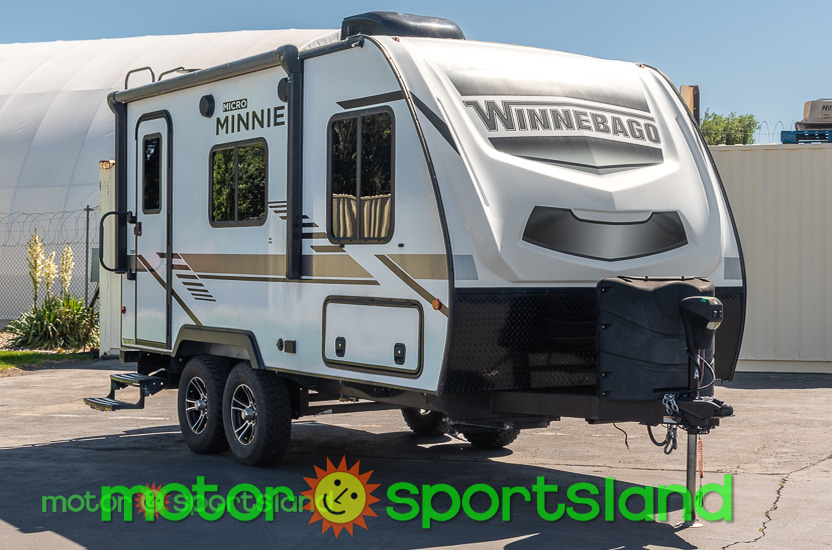
When considering a destination trailer for extended stays, opting for a new model brings several clear benefits that can enhance comfort and peace of mind over time. New units typically incorporate the latest design improvements, such as better insulation materials and energy-efficient appliances that reduce utility costs during long-term site use.
Modern Features
Contemporary destination trailers often include upgraded kitchen layouts with residential-style refrigerators, induction cooktops, and larger counter spaces that make meal preparation easier for families. Bathrooms may feature walk-in showers with rainfall heads and improved ventilation systems to handle humidity. Living areas frequently come with theater seating, electric fireplaces, and smart TV mounts prewired for streaming services.
- LED lighting throughout reduces power draw while providing better visibility in all rooms.
- Exterior construction now commonly uses laminated walls and rubber roofs rated for decades of weather exposure.
- Many models integrate solar prep packages and backup camera systems as standard equipment.
These updates reflect ongoing refinements from manufacturers like those producing jayco travel trailers and camper trailer forest river lines, where feedback from owners has driven practical changes in storage solutions and climate control.
Comprehensive Warranties
Factory warranties on new destination trailers generally cover structural elements for several years and appliances for shorter periods, giving buyers direct recourse if issues arise. Extended service plans can often be added at purchase to protect systems like the furnace, water heater, and air conditioning. This coverage contrasts with used options, where prior wear may fall outside any remaining protection and lead to unexpected repair expenses. Buyers also gain access to manufacturer support networks for technical questions during the initial ownership phase.
Customization Options
Purchasing new allows selection of floor plans tailored to specific needs, such as layouts with multiple sleeping areas or dedicated office spaces. Interior finishes can be chosen from current palettes, including cabinet styles, flooring types, and upholstery fabrics that match personal preferences. Optional additions like awnings with LED lights, exterior kitchens, or larger holding tanks can be factory-installed rather than retrofitted later. This flexibility extends to features suited for 2 bedroom rv configurations, where separate sleeping quarters and additional storage become priorities for longer visits. Dealers can also coordinate delivery timing and site setup details to align with travel plans.
Overall, the combination of updated technology, reliable protection plans, and build choices helps new destination trailers support consistent enjoyment without the need for immediate upgrades. Exploring available models reveals how these elements come together in units designed for seasonal or full-time site living.
Strengths of Choosing Used
When weighing the decision between new and pre-owned options, many buyers discover that opting for a used destination trailer delivers meaningful savings right from the start. Because these units depreciate quickly after the first owner takes delivery, a well-maintained model often sells for substantially less than its original sticker price while still offering the same spacious floor plans and residential-style finishes that make destination trailers appealing for seasonal or long-term stays. Shoppers scanning current listings frequently find that the money saved can instead fund site upgrades, solar additions, or interior customizations that turn the unit into a true home away from home.
Financial flexibility without the wait
Lower acquisition costs also translate into smaller loan amounts or the ability to pay cash, which reduces monthly obligations and interest charges over time. In addition, insurance premiums for a used unit are typically calculated on a lower declared value, further trimming ongoing ownership expenses. Buyers who have already identified their preferred layout—such as a two-bedroom rv configuration—can redirect those savings toward professional inspections or necessary repairs rather than absorbing the full depreciation hit that occurs the moment a new trailer leaves the lot.
Immediate availability changes the timeline
Beyond price, the biggest practical advantage is speed. New destination trailers often involve production backlogs measured in months, especially during peak ordering seasons. In contrast, used inventory sits ready for immediate viewing and purchase. Once financing clears or funds transfer, the trailer can be transported to the campsite the same week. This instant access proves valuable for families who have already secured a seasonal site or who need to relocate quickly for work or lifestyle reasons.
- Inspect multiple units in person within a single weekend instead of placing an order and hoping for a delivery date.
- Compare actual wear patterns, tire condition, and appliance age across several examples before committing.
- Negotiate directly with private sellers or dealerships that have taken trade-ins, often resulting in further price concessions.
Because the trailer already exists, buyers can also verify real-world performance details that brochures cannot convey—such as how well the heating system maintains temperature during shoulder seasons or how much storage remains usable after the previous owner’s belongings are removed. Listings for camper trailer Forest River and Jayco campers appear regularly on regional marketplaces, giving shoppers a broad selection of floor plans and feature packages without production delays.
Evaluating condition and value
Smart purchasers treat the lower price as an opportunity rather than a risk by budgeting for a professional RV inspection and reviewing service records. Many used destination trailers have already received popular upgrades—such as reinforced skirting, aftermarket awnings, or backup cameras—that would cost extra on a brand-new unit. These pre-installed improvements effectively increase the trailer’s utility while keeping the total outlay below that of an equivalent new model.
Inventory turnover on rv trailers for sale sites also means fresh arrivals appear weekly, so buyers unwilling to settle can keep watching until the right combination of layout, age, and price appears. When a suitable rv trailer for sale surfaces, the transaction can close quickly because both parties typically want to avoid prolonged storage fees. This pace stands in sharp contrast to factory orders that lock buyers into a months-long wait with little control over final pricing or feature availability.
Ultimately, the combination of reduced purchase cost and same-day readiness allows owners to begin enjoying their destination trailer sooner and with greater financial breathing room. Those who prioritize careful inspection and realistic budgeting often find that a thoughtfully chosen pre-owned unit meets their needs just as effectively as a new one, without the depreciation penalty or extended lead time.
Cost Breakdown and Budget Planning
When deciding between a new or used destination trailer, a thorough cost breakdown helps clarify how expenses accumulate over time. Buyers must account for purchase-related charges, recurring obligations, and the practical steps required to make the unit livable at a chosen site. This approach reveals that the lower sticker price of a used model can be offset by higher repair risks and variable setup demands, while a new unit often shifts more costs toward predictable fees and initial preparation.
Acquisition Fees Beyond the Base Price
Both new and used destination trailers incur taxes, registration, and documentation charges at the point of sale. New units frequently involve dealer preparation fees and delivery coordination that add to the total outlay, yet these can be partially offset by manufacturer incentives or extended coverage periods. Used models may carry lower transfer costs but sometimes require immediate inspections or minor certifications that increase the effective price. Insurance quotes also diverge early: newer trailers often qualify for comprehensive policies with lower deductibles, whereas older ones may face higher premiums due to age-related clauses.
Recurring Ownership Expenses
- Annual registration renewals and any applicable personal-property assessments remain consistent regardless of age, though some jurisdictions adjust rates based on model year.
- Insurance renewals tend to stabilize after the first year for new trailers, while used units can experience fluctuations tied to condition reports.
- Site or lot rental agreements for semi-permanent placement represent a major ongoing line item; these fees usually cover utilities access and basic maintenance of common areas.
- Utility metering, whether for electricity, water, or sewer, scales with usage rather than trailer age and should be budgeted separately from the unit itself.
Maintenance reserves also differ. New destination trailers typically require only routine servicing for the first several seasons, allowing owners to allocate smaller monthly amounts. Used trailers benefit from an emergency fund sized to cover potential appliance or system replacements that arise without warranty protection.
Setup and Site Preparation Costs
Positioning a destination trailer involves transport, leveling, and connection work that varies by location and unit condition. New models arrive with current certifications, which can streamline permit applications and reduce inspection delays. Used trailers may need additional engineering reviews or updates to meet local codes before utilities can be hooked up. Skirting, tie-downs, and basic weatherproofing represent shared expenses, yet older units sometimes require extra reinforcement if prior owners removed or altered factory components.
- Permitting and inspection charges depend on whether the trailer is classified as a recreational vehicle or a more permanent structure in a given county.
- Utility trenching or pedestal upgrades are one-time outlays that apply equally but can be higher if the chosen site lacks recent infrastructure work.
- Interior finishing touches, such as window treatments or storage solutions, are discretionary yet commonly included in realistic budgets for both new and used purchases.
Long-Term Budget Planning Considerations
Depreciation affects equity differently: new trailers lose value more rapidly in the initial years, which influences future resale or trade-in calculations. Used trailers may hold steadier value if well maintained, though hidden wear can reduce buyer interest later. Owners should project at least five years of combined fees, maintenance, and site expenses to determine true affordability. Tracking these elements on a simple spreadsheet allows adjustments as utility rates or lot agreements change. Ultimately, aligning the chosen trailer with realistic cash-flow projections prevents surprises and supports enjoyable long-term use.
Condition, Maintenance, and Longevity
When evaluating destination trailers, condition often determines how smoothly ownership proceeds and how many seasons of reliable use you can expect. New models arrive with factory-fresh components, sealed seams, and current safety standards already met, so buyers typically face only routine break-in checks rather than immediate repairs. Used units, by contrast, carry the history of previous setups, road miles, and weather exposure, making a systematic inspection essential before purchase.
Key Inspection Priorities for Used Destination Trailers
Professional inspectors focus first on the roof and seals, because even small cracks allow moisture to reach insulation and framing. They also test every appliance, verify slide-out mechanisms operate without binding, and examine the underbelly for rodent damage or deteriorated vapor barriers. Electrical systems receive load testing to confirm converters and batteries still meet demand, while plumbing lines are pressurized to reveal hidden leaks. These steps uncover issues that may not appear during a quick walkthrough yet could require several thousand dollars to correct.
- Check tire age and sidewall cracking, since date codes older than six years indicate replacement is due regardless of tread depth.
- Measure floor softness around the bathroom and kitchen, areas most prone to undetected water intrusion.
- Review service records for prior roof recoating or appliance replacements to gauge how well the unit was maintained.
New trailers still benefit from a pre-delivery inspection, but the focus shifts to verifying that factory torque specs on wheels, proper sealant application, and correct propane line pressure were achieved at the plant.
Maintenance Demands Over Time
Owners of new destination trailers generally follow the manufacturer’s schedule of annual roof inspections, bearing repacking, and filter changes, with warranty coverage absorbing most early defects. This predictable cadence keeps annual costs modest for the first five to seven years. Used trailers often require accelerated maintenance once they pass the ten-year mark; older furnaces, water heaters, and air conditioners may need more frequent servicing or outright replacement. Budgeting for these items becomes part of the ownership plan rather than an occasional surprise.
Both age groups share common tasks such as seasonal dewinterizing, gutter cleaning, and slide-out seal lubrication. The difference lies in frequency and cost: newer units rarely need major component work during the warranty window, while used units may demand proactive replacement of aging rubber seals, belts, and gaskets to prevent failures during extended stays.
Projected Lifespan Differences
A well-cared-for new destination trailer can remain structurally sound and comfortable for twenty or more years, assuming regular roof maintenance and prompt repair of any storm damage. The limiting factors tend to be cosmetic updates and evolving energy-efficiency standards rather than outright failure. Used trailers, depending on their original build quality and care history, commonly deliver another eight to fifteen years of service after purchase. Units that spent most of their life in covered or mild-climate storage often retain more remaining life than those left exposed year-round.
Longevity also hinges on how the trailer is sited. Destination trailers parked semi-permanently experience less road vibration but more prolonged UV and moisture exposure, so leveling systems, skirting, and ventilation practices directly influence how many additional seasons either a new or used model will provide. Choosing a unit whose remaining life matches your intended ownership horizon helps avoid premature replacement costs.
Warranties, Upgrades, and Technology
When comparing new and used destination trailers, warranties often become one of the clearest dividing lines. A brand-new unit typically arrives with a full manufacturer warranty that covers the structure, appliances, and systems for at least one year, sometimes stretching to two or three years on major components such as the roof, walls, and frame. This coverage gives buyers peace of mind that any early defects will be addressed at no cost, and many plans also include roadside assistance for the first 12 months.
Transferable Coverage on Pre-Owned Units
Once a destination trailer changes hands, warranty status changes quickly. Remaining factory coverage may transfer to the second owner, but only if the original paperwork is complete and the unit has not exceeded mileage or age limits. In many cases the powertrain or appliance warranties have already lapsed, leaving the buyer responsible for repairs. Extended-service contracts can sometimes be purchased for used models, yet they rarely match the breadth of a new-unit policy and often exclude items already showing wear.
Feature Changes Across Model Years
Technology inside destination trailers has advanced noticeably over the past decade. Earlier models relied on incandescent lighting, basic analog control panels, and minimal insulation packages. Newer builds incorporate LED fixtures throughout, digital thermostats, and pre-wiring for solar and lithium batteries. Slide-out rooms now operate with synchronized electric motors instead of manual cranks, and many 2023-and-later units include app-based monitoring for tank levels, battery state, and climate control.
- Improved chassis engineering reduces flex when the trailer sits in one location for months.
- Modern floor plans add residential-style windows with thermal breaks and optional fireplace inserts that run on efficient electric or propane heat.
- Kitchen upgrades include residential-depth refrigerators and induction cooktops that require less ventilation than older propane ranges.
Upgrade Decisions for Buyers
Owners of used destination trailers frequently invest in aftermarket solar arrays, tankless water heaters, or smart thermostats to close the gap with current production. These additions can bring an older unit close to new-model performance, yet they also introduce variables: installation quality varies, and some modifications may affect remaining warranty eligibility if any coverage still exists. New buyers avoid that extra labor and expense because the same components arrive factory-installed and integrated with the trailer’s electrical and plumbing systems.
Feature evolution also appears in exterior construction. Newer destination trailers often carry laminated sidewalls with block-foam cores, delivering better R-values than the older framed-and-insulated panels. This change translates directly into lower heating and cooling loads when the trailer remains parked year-round. At the same time, used units from five or six years ago may already have had popular options such as a second air-conditioning unit or an enlarged awning added by the previous owner, giving buyers a ready-to-use layout without waiting for factory lead times.
Ultimately the choice hinges on how much risk a buyer is willing to accept versus how current they want the technology to feel. A new destination trailer delivers comprehensive warranty protection and the latest efficiency and convenience features, while a carefully chosen used model can offer proven durability and owner-added upgrades at a lower initial outlay, provided any remaining coverage or service options are verified before purchase.
Depreciation and Future Resale Value
When deciding between a new or used destination trailer, understanding depreciation is crucial because it directly impacts your long-term investment and potential resale outcomes. New units often experience rapid value decline in the initial years due to immediate market adjustments and the availability of similar models. In contrast, purchasing a pre-owned option means the steepest part of the depreciation curve has already occurred, allowing owners to retain more equity when it comes time to sell.
Initial Value Drop for New Purchases
Buying fresh off the lot exposes you to the highest rates of depreciation. Industry patterns show that recreational vehicles can lose up to a quarter of their value within the first two to three years. This happens as buyers factor in wear from transport, initial setup at a campsite, and the simple fact that newer inventory arrives regularly. For those planning to keep their unit for many seasons without selling, this might matter less, but anyone considering future resale needs to account for this reality.
- Market saturation plays a role, with fresh arrivals pressuring prices downward.
- Financing costs add to the effective loss if interest accrues while value falls.
- Customization options on new models may not appeal to all future buyers, limiting demand.
Over a five-year period, a new destination trailer might retain only 60 to 70 percent of its original worth, depending on maintenance and location. This calculation assumes average use as a stationary living space rather than frequent towing. Regional economic shifts and fuel price changes can further influence how quickly that loss accumulates.
Advantages in Resale for Used Models
Opting for a used destination trailer positions you better for preserving value from the moment of acquisition. Since the original owner absorbed the primary loss, subsequent buyers often see slower depreciation rates going forward. Well-maintained examples from reputable manufacturers can hold their purchase price more steadily, especially if they include desirable features like expanded living areas or efficient layouts.
- Condition reports and service history build buyer confidence during resale.
- Established models have proven track records that attract specific segments of the market.
- Upgrades already installed reduce the need for immediate investments by new owners.
This approach works particularly well for individuals who enjoy browsing rv trailers for sale to find deals that balance cost with longevity. A two or three year old unit, for instance, may depreciate at half the rate of a brand-new counterpart over the same timeframe. Demand tends to remain consistent for models that offer practical floor plans suited to extended stays.
Long-Term Considerations for Both Options
Other elements influencing future resale include regional demand, seasonal trends in RV usage, and overall economic conditions affecting leisure spending. Destination trailers, being less mobile than standard towables, appeal to buyers seeking permanent or semi-permanent setups, which can stabilize values in certain areas. Proper winterization and regular inspections help prevent issues that erode worth, such as roof leaks or appliance failures. When comparing options across jayco campers and similar lines, service records become a key differentiator that supports stronger asking prices later on.
Ultimately, the choice hinges on your timeline and priorities. If resale within five years is likely, a used destination trailer generally offers stronger value retention. Those intending long-term ownership might prioritize new features despite faster early depreciation. Always review comparable sales data and consult appraisal resources before committing to either path, as personal usage patterns will shape the actual numbers more than general averages.
Matching the Trailer to Your Lifestyle
Choosing a destination trailer means thinking carefully about how its dimensions, interior flow, and built-in features will support the way you actually live on the road or at a seasonal site. Size is the first filter: a couple who plans extended stays may be comfortable in a compact unit under 30 feet, while families or groups that entertain often need more square footage and multiple sleeping areas. A two-bedroom rv layout can provide private quarters without forcing everyone into a single shared space, yet it also adds length and weight that must match your towing vehicle and site restrictions.
Evaluating Space for Daily Routines
Consider how each room will be used throughout the day rather than simply counting beds. A larger living area with a slide-out can serve as both a dining spot and a workspace, but it reduces exterior storage. Conversely, a more compact model may feel tighter during long stretches indoors. Walk through sample floor plans at dealerships or online listings to test sight lines and traffic patterns. Pay attention to ceiling height and window placement, because natural light and headroom affect comfort during weeks or months of occupancy.
- Measure your typical group size and any frequent guests.
- Check site length limits before committing to a longer unit.
- Verify that the fresh-water and holding-tank capacities support your usage patterns.
Layout Choices That Match Activities
Interior arrangement should reflect whether you cook elaborate meals, work remotely, or spend most time outdoors. An efficient galley kitchen with ample counter space suits serious cooks, while a more open great-room style benefits those who prefer lounging and socializing. Separate bathroom and bedroom zones improve privacy on extended trips, yet they can limit closet space. Some buyers explore Jayco travel trailers or Forest River options because both brands offer multiple destination-trailer configurations that balance these trade-offs. When reviewing rv trailers for sale, note how door placements affect furniture placement and whether the entry leads directly into the main living area or a smaller foyer.
Amenities That Support Your Comfort Level
Modern destination trailers often include residential-style appliances, larger showers, and optional washer-dryer connections. A new unit may arrive with upgraded insulation, LED lighting, and smart-home controls that reduce energy use during long hookups. A used destination trailer can still deliver these comforts if previous owners maintained systems and updated finishes, though you may need to budget for replacements sooner. Focus on features you will actually operate: an outdoor kitchen matters if you grill frequently, while a fireplace or theater seating may be less relevant in mild climates. Storage for hobby gear, linens, and pantry items should scale with trip length and group size.
- Inspect tank sizes and utility hook-up locations for your typical sites.
- Test appliance layouts to confirm they suit your cooking and cleaning habits.
- Compare insulation ratings if you camp in shoulder seasons.
Ultimately, the right match emerges when you list your non-negotiables—sleeping capacity, kitchen function, or storage volume—and then compare specific models against that list. Visiting several destination trailers for sale in person lets you experience ceiling height, door swings, and furniture quality firsthand. Whether you lean toward a new build from Jayco campers or a well-maintained pre-owned camper trailer from Forest River, the decision becomes clearer once size, layout, and amenities are weighed against your real-world routines rather than brochure specifications alone.
Steps to Make Your Purchase Decision
Deciding between a new or pre-owned destination trailer requires a structured approach that aligns the unit with your long-term camping plans. Begin by clarifying how the trailer will be used, then move methodically through inspection, comparison, and verification steps so the final choice fits both lifestyle and budget constraints.
Clarify Your Space and Feature Requirements
Start with a written list of non-negotiable elements. Note the number of sleeping areas needed, kitchen layout preferences, and storage volume for seasonal gear. Families often prioritize units that function like a 2 bedroom rv, allowing separate spaces for children or guests. Consider slide-outs for expanded living areas and utility hookups that match your intended site. This inventory prevents later disappointment and narrows the field before any viewing appointments.
Establish a Total Cost Framework
Calculate not only the purchase price but also delivery, setup, site preparation, and ongoing maintenance. New models typically carry full manufacturer warranties, while pre-owned examples may require immediate repairs to appliances or seals. Factor in insurance differences and potential upgrades such as solar panels or leveling systems. Document these figures in a simple spreadsheet so the comparison between new and used remains objective rather than emotional.
Research Models and Availability
Examine current listings of destination trailers for sale through multiple channels, including manufacturer websites and regional dealers. Look at construction details such as insulation ratings, roof warranties, and chassis strength. Brands such as Jayco travel trailers and camper trailer Forest River options frequently appear in both new and used inventories; review owner forums for real-world feedback on each model year. Note floor-plan similarities across lines so you can compare equivalent features rather than brand names alone.
Perform Systematic Inspections
- Check for water intrusion around windows, slides, and roof seams on any pre-owned unit.
- Verify appliance operation, plumbing integrity, and electrical systems under load.
- Measure actual interior dimensions against your earlier list to confirm livability.
- Request service records and confirm that major components remain within warranty periods where applicable.
New trailers allow you to inspect build quality directly at the factory or dealer, while used units benefit from a professional inspection by an RV technician before any offer is made.
Test Livability and Long-Term Suitability
Whenever possible, spend several hours inside a comparable floor plan. Simulate daily routines such as cooking, showering, and sleeping arrangements. Assess climate control performance and noise levels from nearby roads or neighbors. This hands-on step often reveals whether a compact used model will suffice or whether a larger new layout better supports extended stays.
Finalize With Documentation and Negotiation
Once a unit meets your criteria, obtain written estimates for any remaining work and confirm title status. Compare final out-the-door numbers between the new and used candidates, including taxes and registration. A clear paper trail protects against unexpected costs and supports confident ownership once the trailer is delivered to its destination site.
Frequently Asked Questions
How much cheaper are used destination trailers compared to new?
Used models often cost 30-50% less than comparable new units, though savings depend on age, condition, and included features.
Do new destination trailers come with better warranties?
Most new units include manufacturer warranties on structure and appliances that used trailers typically lack or have limited remaining coverage.
What should I inspect first on a used destination trailer?
Check the roof, slides, plumbing, and appliances for wear, plus verify service records and any prior water damage.
Are destination trailers suitable for full-time living?
Many people use them seasonally, but with proper insulation and utilities they can support extended or full-time stays in suitable climates.
How does park setup differ between new and used units?
Both require similar site preparation, though newer models may include updated hookups or energy-efficient systems that simplify installation.
Can I finance a used destination trailer easily?
Financing is available for both, but lenders may require stricter inspections or shorter loan terms for older used units.
Whether you lean toward a new or pre-owned model, the right destination trailer depends on your budget, timeline, and how you plan to use it. Download our free New vs Used Destination Trailers Checklist to compare options side by side, or subscribe for seasonal buying tips and market updates.